
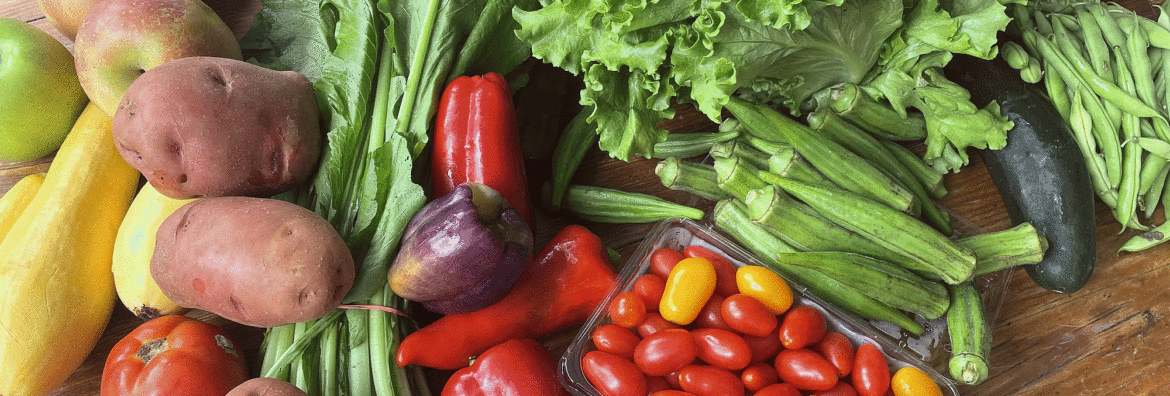
This week’s box included: turnip greens (they’re so mild!), green beans, okra, summer squash, cucumbers, potatoes, apples, sweet peppers, tomatoes, cherry tomatoes, head of lettuce, butterkin/bumpkin squash. You can see a photo that can help with identification on our Facebook page or check out our weekly video on Instagram.
Need storage instructions? Visit our fruit & veggie home pages. Click on the pic and a new page opens with storage instructions and a list of recipes curated by Conne over the years.
Only seven more weeks before our last delivery of the 2025 CSA.
Regardless of the last delivery date for your subscription, it’s time to get the food preservation game on! Many fall vegetables can be stored for months. Some extra effort now pays off in succor during the drought while you’re waiting for fresh produce deliveries to start next May.
Our website includes storage suggestions for each vegetable on that item’s home page. Got a particular item that’s a challenge? Click on the photo for oodles of recipe ideas contributed by Conne over the years.
But first, enjoy a leafy fresh salad with sliced peppers, cherry tomatoes, and cucumbers while the last weeks of the CSA unspool!
Long Term Storage Strategies
Stockpile: Sweet potatoes, potatoes, winter squashes and garlic are the most patient of vegetables. They’ll keep for months in a corner of your kitchen, butternuts most of all. Do check on them periodically; one rotten potato will spoil its neighbors. Other vegetables store indefinitely in the refrigerator – looking at you, head of cabbage, turnips, daikon.
Fresh to Frozen: Green beans, diced peppers, chopped greens, apple slices, broccoli & cauliflower florets, grated summer squash, cucumber rounds for beverages: array on parchment-lined baking sheet, tuck into the freezer for an hour, then transfer to a bag, label & store. Rinse any ice crystals off before using. Parboiling is recommended before freezing to lock in nutrients; I often skip this step when pressed for time. Don’t skip the baking sheet step though; it eliminates clumping which makes it easy to grab that single cup of chopped peppers you need for this grits casserole recipe.
Cooked to Frozen: Pureed cooked winter squash, roasted peppers, blistered cherry tomato sauce and applesauce freeze well in portions: freeze 1-cup scoops of pureed squash in muffin tins, roasted peppers curled into rounds on a parchment-covered baking sheet, or sauces in pint containers. Transfer to long-term storage containers or bags once frozen. Even okra cooked with tomatoes freezes well for use in winter soups.
Refrigerator Pickling: Pickled okra, refrigerator pickles, sweet pickle relish, sauerkraut, dilly green beans: these will keep in the refrigerator for extended periods. Our okra page includes at least four pickling recipes, including one from Steven Satterfield, another that uses peppers, and a third that includes summer squash. Sauerkraut is best made when cabbage is fresh and full of juices; lightly fermented it retains a crunch alien to the jarred grocery store versions. The lactic acid in these easy to produce at home recipes bounds with health benefits.
Canning to Pantry: High-acidic vegetables can also be canned in a pressure cooker or boiling water bath and safely stored outside of refrigeration. Canning requires time and attention, one that rewards the effort when all of those little lids “pop” as they cool and seal. Do read up on the process before tackling it. Some veggies are not suitable for canning.
Recommended: The Joy of Pickling by Linda Ziedrich includes detailed canning instructions and dozens of pickling recipes from around the world, such as obsession-worthy daikon radishes pickled in sweet miso, below. Her giardiniera recipe, also below, calls for 2 ½ quarts of vegetables.
Daikon Pickled in Sweet Miso
Makes about 1 pint
Author note: The method using cheesecloth requires less miso and eliminates the traditional miso-zuke technique of submerging vegetables in a bowl of miso and rinsing before eating.
1 pound daikon, cut into 2” x ½” x ½” sticks
¾ teaspoon pickling salt
½ cup white or yellow miso
In a bowl, toss the daikon with salt. Let the contents stand for 1 hour or more, then drain.
Spread ¼ cup miso over a dinner plate and cover the plate with a piece of cheesecloth. Spread the daikon in a single layer on top. Cover vegetables with another piece of cheesecloth, then spread the remaining miso on top. Cover the plate with plastic wrap and refrigerate for 2 to 4 days.
Remove the plastic wrap and the top layer of cheesecloth. Pickles are ready to serve.
Leftover pickles can be stored in the miso; their flavor will grow stronger over time. Liquid from the vegetables will dilute the miso, which can be reused two or three times.
***
Giardiniera makes Italian sandwiches pop, if you’re not simply enjoying it straight from the jar.
Giardiniera
Makes about 6 pints
½ pound pickling cucumbers, trimmed and sliced crosswise into ½” chunks
2 celery stalks, cut crosswise into ¾” pieces
5 teaspoons pickling salt
½ small cauliflower head, broken and cut into florets
1 large carrot, sliced into 3/16” rounds
1 cup whole shallots or very small onions
½ pound long sweet peppers, seeded and cut into ¾” rings
6 Mediterranean bay leaves
12 garlic cloves
1 ½ teaspoons whole black peppercorns
6 oregano sprigs
2 ¾ cups white wine vinegar
2 ½ cups water
6 tablespoons olive oil
Toss cucumbers and celery with 1 teaspoon salt and let stand at room temperature for 1 to 2 hours. Drain well. In a large bowl, combine cucumbers and celery with remaining vegetables.
Into each of 6 sterilized pint jars, put 1 bay leaf, 2 garlic cloves, and ¼ teaspoon peppercorns. Pack the jars with h vegetables, add 1 oregano sprig to each jar. Gently shake jars to settle the vegetables.
In a saucepan, bring to a boil the vinegar, water, and remaining 4 teaspoons salt, stirring to dissolve the salt. Pour the hot liquid over the vegetables, leaving just a bit more than ½ inch headspace. Top each jar with 1 tablespoon olive oil and seal the jar with a ring and a fresh lid. Process the jars in a boiling water bath for 20 minutes.
Store cooled jars in a cool, dry, dark place for at least weeks before eating the pickles. After opening a jar, store it in the refrigerator.
***